Scoliosis is a condition that sparks many questions. Whether you’re seeking ways to manage it, curious about its causes, or wondering about its long-term implications, this blog will help provide answers to some of the most common queries.
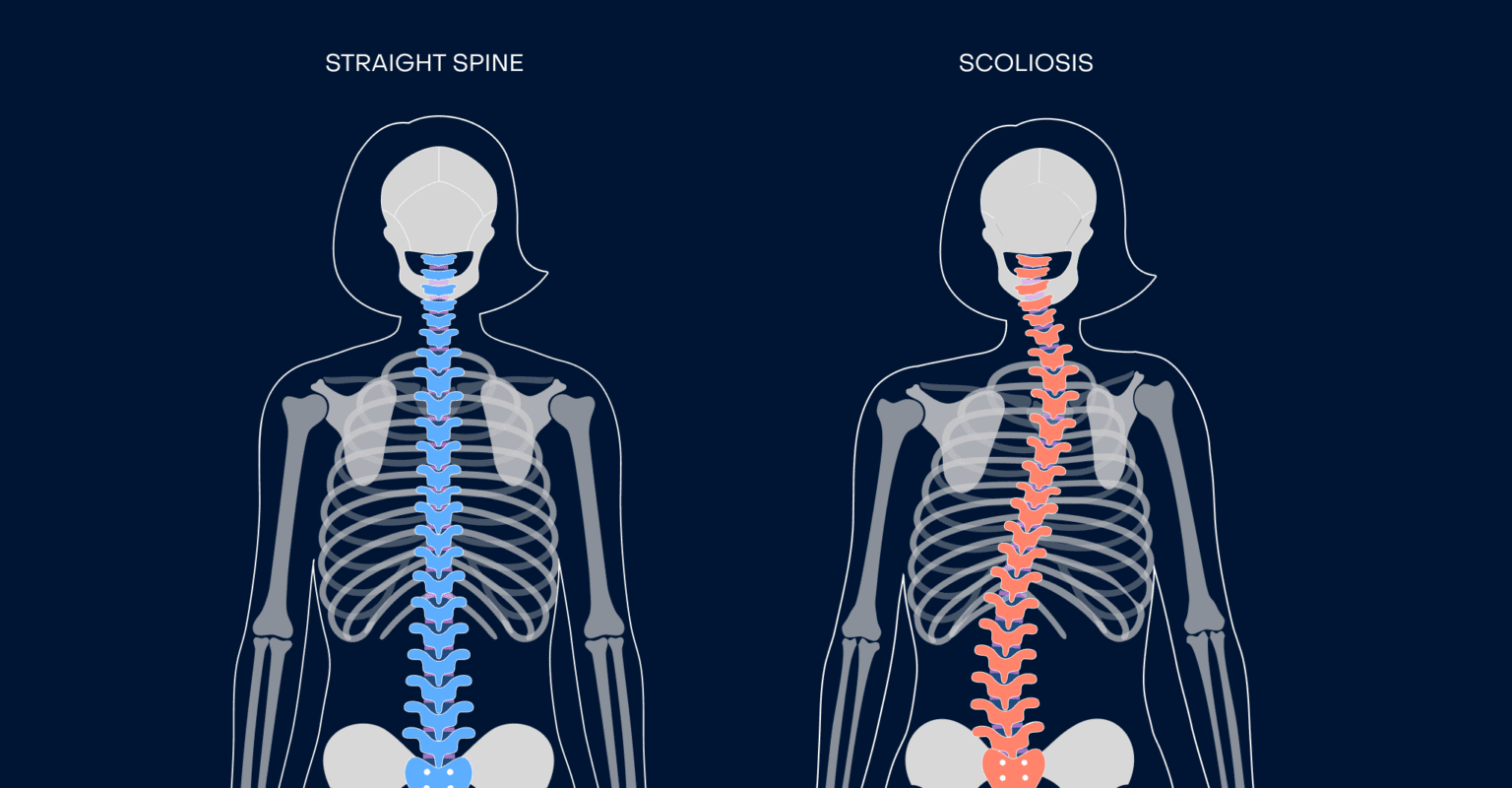
Can I Live Normally with Scoliosis?
Yes, many individuals with scoliosis live normal, active lives. While severe cases may require medical intervention, most people can manage the condition with conservative treatments like exercise and lifestyle adjustments (Negrini et al., 2018). In fact, even the fastest man in the world, Usain Bolt, has scoliosis!
What Causes Scoliosis?
The majority of scoliosis cases are idiopathic, meaning their cause is unknown. However, scoliosis can also result from congenital abnormalities, neuromuscular conditions, or degenerative changes in adults (Mendoza-Lattes et al., 2017).
Can I Correct Scoliosis?
Specific exercises and postural corrections can help manage mild to moderate scoliosis. The Schroth method, which emphasizes breathing and stretching to elongate and correct the spine, has shown effectiveness (Monticone et al., 2020). Heel lifts may also help if scoliosis is affecting your leg length.
At What Age Is It Too Late to Treat Scoliosis?
It’s never too late to treat scoliosis. While significant correction is often more achievable in growing adolescents, adults can still benefit from treatments that alleviate pain, improve posture, and enhance quality of life (Marras et al., 2017).
Is It OK to Leave Scoliosis Untreated?
Mild scoliosis may not require active treatment, but it’s crucial to monitor progression, especially during growth spurts. Severe or progressive scoliosis can lead to complications, such as chronic pain or respiratory issues, if left untreated (Negrini et al., 2018).
Can Spinal Manipulation or Adjustments Fix Scoliosis?
These techniques can help manage symptoms by improving mobility and reducing pain, but they cannot “fix” the spinal curvature. Multidisciplinary care is often the most effective approach.
Evidence-Based Management
Conservative management, including exercise programs like the Schroth method and lifestyle changes, can be effective for most individuals with scoliosis.
An Osteopath can help assess your scoliosis and implement corrective exercises, specific to your spinal curvature.
References
Chen, S.-H., et al. (2018). Impact of scoliosis on pulmonary function. Spine Journal, 18(4), 662–670.
Marras, W. S., et al. (2017). Scoliosis management in adults: A review of treatment options. Clinical Orthopaedics and Related Research, 475(4), 1294–1300.
Mendoza-Lattes, S., et al. (2017). Causes of scoliosis: Current understanding and implications. Spine, 42(9), E567–E572.
Monticone, M., et al. (2020). Schroth exercises for adolescent idiopathic scoliosis. European Spine Journal, 29(3), 557–568.
Negrini, S., et al. (2018). Diagnosis and treatment of scoliosis: A review. Journal of Orthopaedic Science, 23(3), 234–245.
Image source: https://spinehealth.org/article/adolescent-idiopathic-scoliosis/